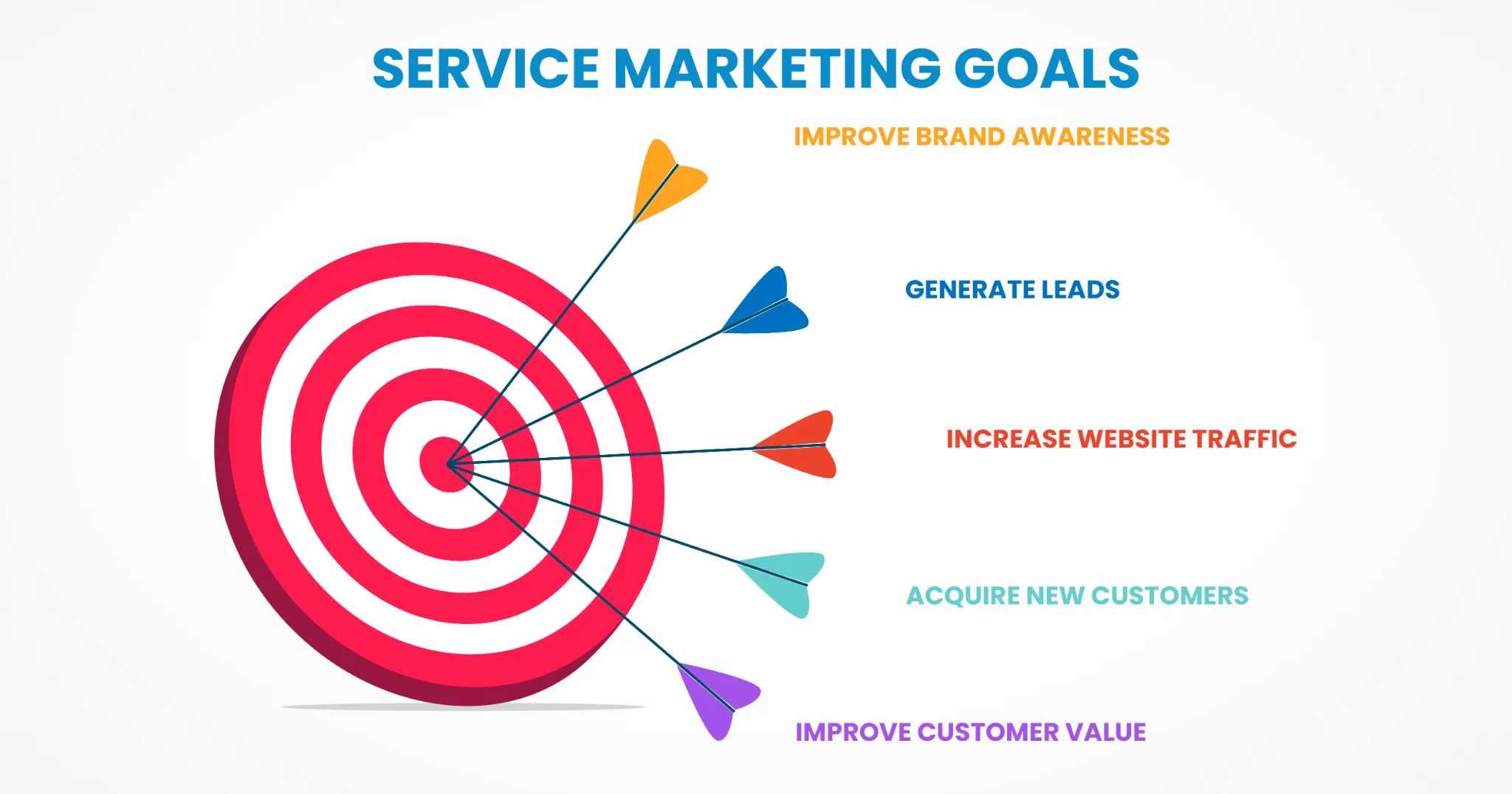
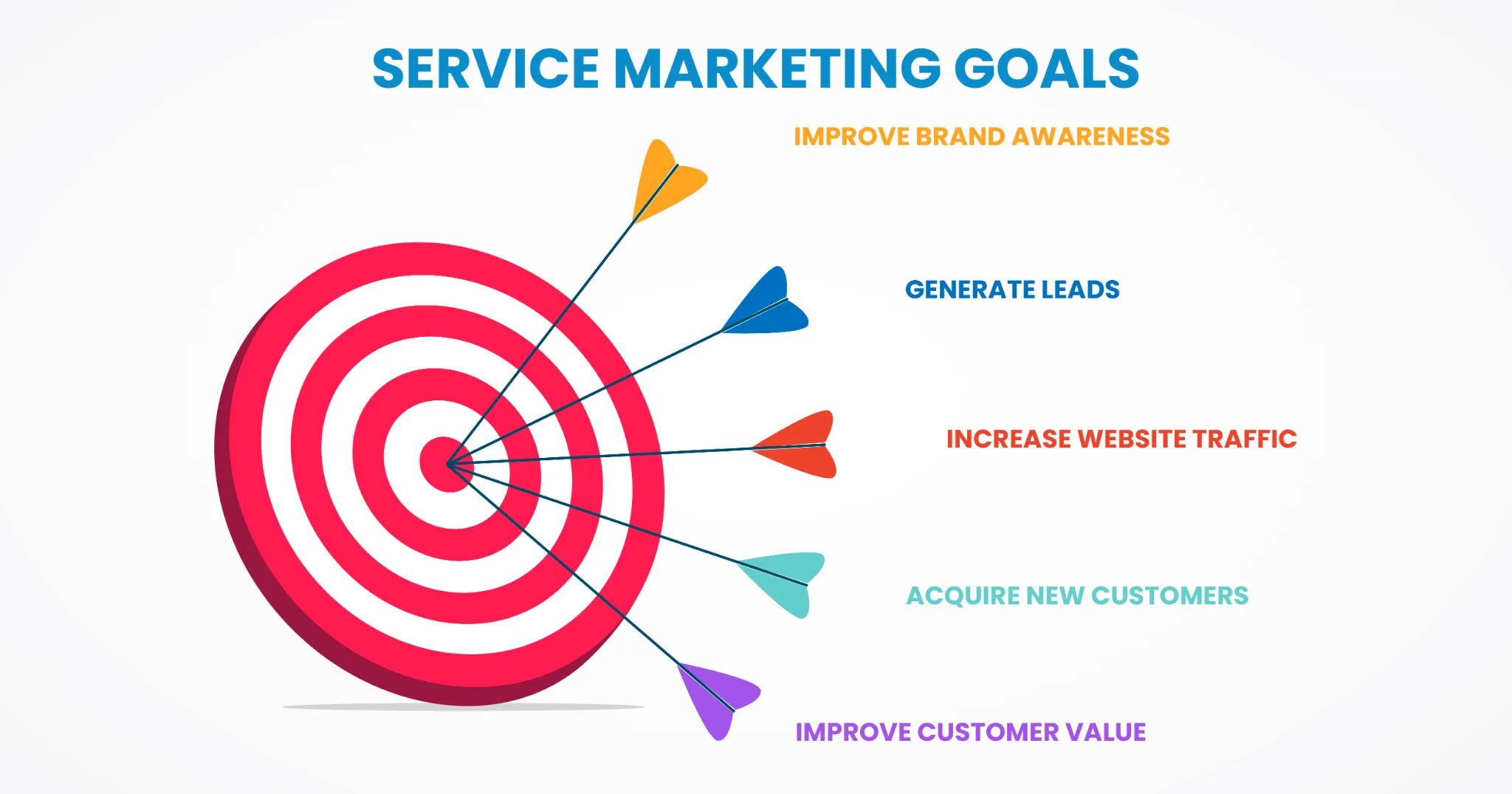
Below is a detailed, exam-ready, and well-structured explanation of Consumer Behaviour in Services, covering: the nature of consumer behaviour in services, customer attitudes, stages of service purchase & consumption, post-purchase evaluation, and practical implications for service marketers. Each topic is presented in clear paragraphs with examples and managerial insights.
---
1. Nature of Consumer Behaviour in Services — an overview
Consumer behaviour for services differs from behaviour for goods because services are intangible, inseparable, variable and perishable. These characteristics make consumers rely more on trust, cues, people and processes when choosing and evaluating services. Service purchases often involve higher perceived risk (financial, functional, social, psychological) and frequently require customer participation in the production process (e.g., medical treatment, education, haircuts). Therefore, understanding the mental processes, emotions, and social influences that drive service decisions is central to marketing and managing services successfully.
Example: A patient selecting a hospital will consider doctor reputation, hospital cleanliness (physical cues), referrals (social cues) and price — not just a product label.
---
2. Customer Attitude in Services
Customer attitude toward a service is a learned predisposition to respond favourably or unfavourably and has three basic components:
Cognitive (beliefs & knowledge): What the customer thinks about the service — e.g., “This bank is secure.”
Affective (feelings & emotions): How the customer feels — e.g., trust, fear, comfort.
Behavioral (intention to act): The customer’s intended actions — e.g., “I will use this airline again.”
In services, attitudes are shaped by promises (advertising), physical evidence (facilities, website), word-of-mouth, and direct experience. Since services often cannot be tried beforehand, marketers must manage the cognitive and affective components by providing credible information (credentials, guarantees), demonstrating empathy, and using testimonials.
Example: A law firm’s cognitive cues (case wins), affective cues (sympathetic consultations), and behavioral cues (easy appointment booking) together form client attitude.
Managerial implications: To shape favourable attitudes, firms must create consistent messages (external marketing), train frontline staff to evoke positive emotions (internal marketing), and ensure interactions (interactive marketing) reinforce promised benefits.
---
3. Service Purchase & Consumption — stages and specific features
Service buying and consumption usually follow stages similar to goods but with service-specific nuances:
A. Need Recognition
A trigger (internal or external) creates awareness of a service need — e.g., illness prompts hospital visit; job change triggers bank loan.
B. Information Search
Because of intangibility and risk, customers often seek more information: online reviews, referrals, accreditations, price quotes, and facility tours. Search behaviour differs: many services are experience or credence goods — requiring reviews, certifications, or expert opinions.
C. Evaluation of Alternatives
Customers compare providers based on tangible cues (location, facilities), service features (response time, hours), social proof and price. They may use simplifying heuristics (brand, recommendation) under high uncertainty.
D. Purchase Decision (Service Acquisition)
Decision includes choosing the provider and the mode (in-person, online, phone), timing (walk-in vs. appointment), and payment method. Because of perishability, timing is critical (e.g., booking a flight/hotel).
E. Service Encounter / Consumption
This “moment of truth” is when the service is produced and consumed simultaneously. Customer participation and behaviour (punctuality, clarity of information) affect outcomes. Service delivery includes interactions with employees, use of facilities, and the service process flow.
F. Post-consumption Evaluation
After consumption customers judge satisfaction, form attitudes, and decide on repeat purchase or complaint behaviour (see next section).
Example: Booking and experiencing a hotel stay: need → search OTA + reviews → compare rates + amenities → book → arrival & service encounter (checkin, room service) → post-stay review & future booking decision.
Managerial implications: Manage each stage — provide rich, credible information online; reduce perceived risk with guarantees and trial offers; design robust service processes to ensure smooth encounters.
When service failure occurs, customers assign causes (company controllable, external, or themselves). Attributions influence blame, forgiveness, and intention to complain or defect.
C. Emotions & Equity
Perceived fairness (in process, outcomes, and interpersonal treatment) heavily affects satisfaction. Unfair handling of a complaint worsens dissatisfaction even more than the original failure.
D. Consequences of Post-Purchase Evaluation
Repeat purchase/loyalty (if satisfied)
Complaints (if dissatisfied but expect correction)
Negative word-of-mouth or switching (if dissatisfied and not properly remedied)
Service recovery paradox (effective recovery can produce higher satisfaction than if no failure occurred)
Tools to measure: Customer satisfaction surveys, SERVQUAL (reliability, assurance, tangibles, empathy, responsiveness), Net Promoter Score (NPS), online reviews.
Example: A restaurant forgets an order (failure). If manager apologizes promptly, replaces meal, offers a discount (effective recovery), customer may leave satisfied and recommend the place — service recovery paradox.
Managerial implications: Proactively manage expectations, set realistic promises, empower frontline employees for immediate recovery, and measure satisfaction systematically.
---
5. Customer Behaviour with Reference to Service Making (Participation & Co-creation)
In many services, customers are active co-producers of value. Their behaviour—preparation, communication, and cooperation—directly impacts service quality.
A. Roles of Customer in Service Production
Physical participation: e.g., patient following pre-op instructions
Information sharing: e.g., providing clear requirements to a consultant
Self-service execution: e.g., using online banking or kiosks
Social behaviours: politeness, adherence to rules (queues), cooperation with staff
B. Effects of Customer Behaviour
Good customer behaviour reduces errors, speeds up delivery, and enhances perceived quality; poor behaviour (late arrival, unclear instructions, abusive conduct) increases variability and failure rates.
C. Strategies to Manage Customer Participation
Clear instructions and pre-service communication (emails, videos)
Design user-friendly interfaces for self-service (mobile apps)
Train staff in customer education & gentle correction
Create social norms and cues (signage, staff modelling)
Example: In a bank loan service, timely submission of documents (customer role) speeds processing and reduces dissatisfaction.
---
6. Risk Perception, Involvement & Decision Styles in Services
Because many services are high-involvement (healthcare, financial services), customers engage more deeply in information search and are sensitive to trust cues. Decision style varies:
High involvement & high risk: Extensive search, expert consultation. (e.g., choosing a surgeon)
Low involvement: Habitual or convenience choices (e.g., choosing a coffee shop near office)
Socially influenced decisions: Family, friends, influencers play a role in service selection (e.g., schools, wedding planners)
Managerial implications: For high-involvement services, provide credentials, case studies, testimonials, transparent pricing, and easy avenues to talk to experts.
---
7. Attitudes, Beliefs & Learning in Services
Service attitudes evolve through learning cycles: marketing communications (forming beliefs), trial (experience), and reinforcement (consistent delivery). Word-of-mouth and online reviews accelerate attitudinal change. Loyalty forms when beliefs and affective responses are repeatedly confirmed by quality experiences.
Example: Positive experiences with a financial advisor create trust (affective component) over time, leading to referrals (behavioral component).
---
8. Complaint Behaviour & Word-of-Mouth
Customers dissatisfied with service can (a) voice complaint to firm, (b) take legal action, (c) switch providers, or (d) spread negative WOM. Only a fraction complain to firms; most tell others. Service firms should encourage feedback, make complaint procedures easy, and use complaints as learning opportunities.
Managerial tactics: Easy complaint channels, apology and compensation policies, follow-up, and visible corrective actions.
---
9. Service-Specific Marketing Strategies to Influence Consumer Behaviour
To influence attitudes and behaviour at every stage, service marketers should:
Example: A private hospital offers video consultations (reduces search cost), patient testimonials (social proof), clear pricing packages (reduce price risk) and a “patient coordinator” (reduces process complexity).
---
10. Measurement & Research Methods in Service Consumer Behaviour
To understand customers, firms use:
Surveys (satisfaction, expectations)
Focus groups (qualitative insights)
Mystery shopping (service auditing)
Behavioral data (booking patterns, repeat rates)
Text analytics (reviews, social media)
SERVQUAL and NPS for benchmarking
Managerial use: Segment customers by behaviour (loyal vs. switchers), personalize offers, and prioritize service improvements where impact on satisfaction is highest.
---
11. Illustrative Case Examples
Case 1: Hospital (Healthcare Service)
Consumer behaviour drivers: trust, doctor credentials, facility hygiene, referrals.
Post-purchase: adherence to medication (customer behaviour) affects outcome; effective recovery from a bad experience (apology, free tests) can regain trust.
Case 2: Ride-hailing (Uber/Ola)
Drivers of choice: price, wait time, driver rating (cues), app usability.
High involvement: long information search, documentation (customer role), trust in bank’s security.
Service process: online application → documentation → verification → disbursal.
Post-purchase: repayment behaviour, complaints about charges, referrals.
---
12. Key Takeaways (Exam-style summary)
Service consumer behaviour is shaped by intangibility, inseparability, heterogeneity and perishability.
Attitudes (cognitive, affective, behavioural) strongly influence service choice and loyalty.
Service purchase includes need recognition → search → evaluation → purchase → consumption → post-purchase evaluation, with customer participation throughout.
Expectation–Disconfirmation is the dominant model to explain satisfaction/dissatisfaction.
Customers co-produce services; their behaviour affects outcomes.
Marketers must manage risk, expectations, physical cues, employee behaviour andrecovery systems to influence customer behaviour positively.
Measurement (SERVQUAL, NPS, surveys) and continuous improvement are essential for service success.