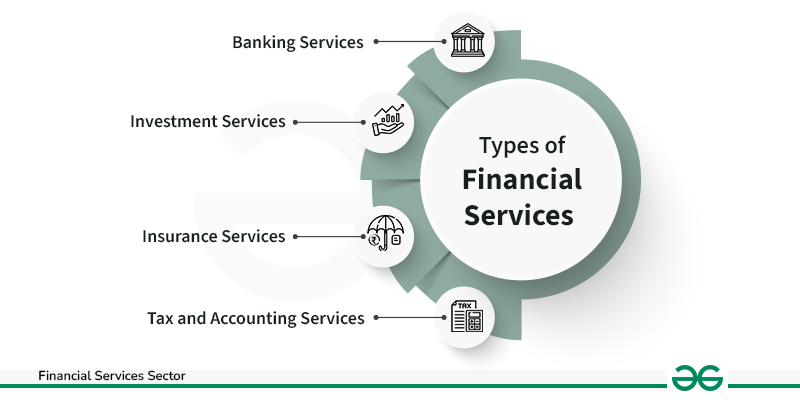
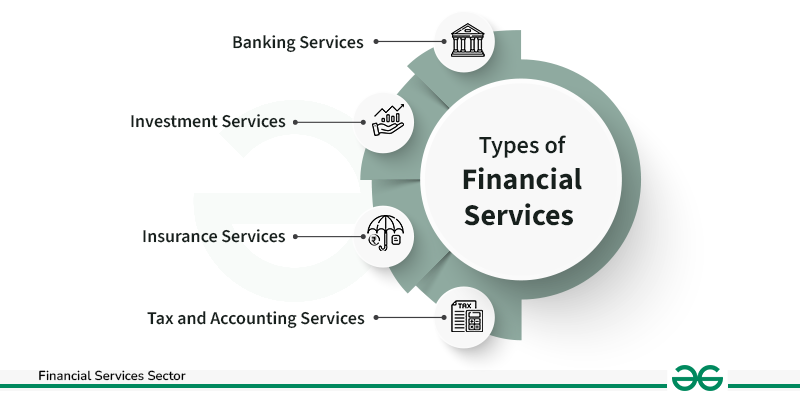
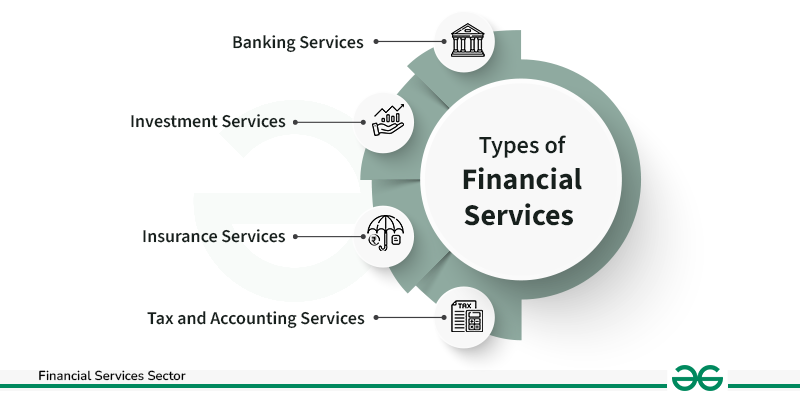
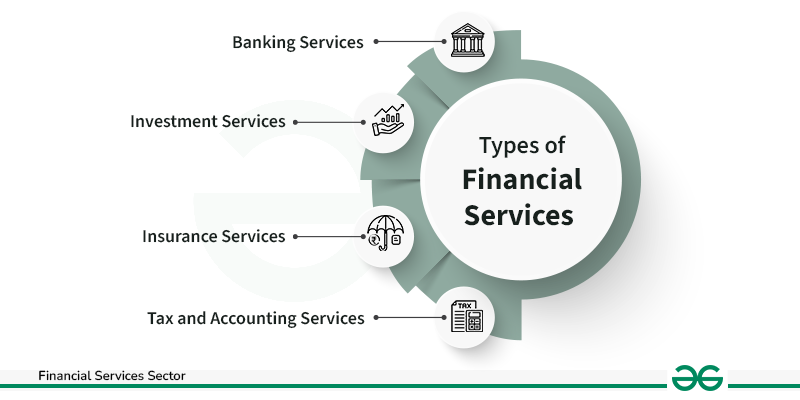
A financial system refers to a network of institutions, markets, instruments, services, and regulatory bodies that facilitate the flow of funds in an economy. It mobilizes savings from households and channels them into productive investments through various intermediaries like banks, financial institutions, insurance companies, and capital markets. A strong financial system ensures economic stability, promotes industrial development, supports entrepreneurship, and enhances economic growth.
In India, the financial system includes the Reserve Bank of India (RBI), commercial banks, NBFCs, insurance firms, capital and money markets, stock exchanges (like NSE and BSE), and regulatory bodies such as SEBI, IRDAI, and PFRDA.
---
⭐ FINANCIAL MARKET – DEFINITION
A financial market is a marketplace where buyers and sellers trade financial instruments such as shares, bonds, derivatives, currencies, and commodities. These markets provide a platform for raising capital, investing surplus funds, managing risks, and ensuring liquidity in the financial system.
Financial markets help organizations access long-term or short-term funds, offer investors opportunities for wealth creation, and enable the government to finance fiscal deficits.
---
⭐ FUNCTIONS OF FINANCIAL MARKET
1. Mobilization of Savings
Financial markets convert idle savings into productive investments by providing attractive investment instruments like shares, bonds, mutual funds, and deposits.
2. Price Discovery
Demand and supply for financial instruments determine their prices. Markets help in discovering fair values of securities through transparent trading mechanisms.
3. Liquidity Provision
Investors can easily buy or sell financial assets, ensuring liquidity. For example, selling shares on the stock exchange provides immediate cash.
4. Reduction of Transaction Costs
Financial markets reduce costs associated with information, trading, and risk evaluation by providing a centralized platform and standardized procedures.
5. Risk Sharing and Diversification
Financial instruments such as derivatives, insurance, and mutual funds help investors minimize risks while maximizing returns.
6. Capital Formation
By channelizing funds towards productive sectors—industries, infrastructure, technology—financial markets support economic growth.
7. Facilitating Government Borrowing
Through the government securities market, governments raise funds to finance development projects and manage fiscal deficits.
Government issuing 91-day treasury bills = Money market
---
⭐ GOVERNMENT SECURITIES MARKET (G-SEC MARKET)
The Government Securities Market is a segment of the financial market where the Central and State Governments issue securities to meet their financial needs.
These securities are considered risk-free because they are backed by the government.
Types of Government Securities:
1. Treasury Bills (T-Bills)
Short-term securities (91, 182, 364 days).
Issued at a discount and redeemed at face value.
2. Dated Government Securities
Long-term instruments (1 to 40 years).
Carry a fixed or floating interest rate.
3. State Development Loans (SDLs)
Issued by state governments to finance state-level projects.
4. RBI Bonds
Issued for retail investors—popular examples include RBI Floating Rate Bonds.
---
⭐ FUNCTIONS OF THE GOVERNMENT SECURITIES MARKET
1. Financing Fiscal Deficit
Governments borrow money by issuing securities instead of increasing taxes.
Example: India issues dated securities to build highways or rail projects.
2. Safe Investment Avenue
Investors consider G-Secs risk-free. Banks and mutual funds invest heavily in them.
3. Monetary Policy Operations
RBI uses government securities in Open Market Operations (OMO) to control money supply.
4. Benchmark for Interest Rates
Government securities serve as reference rates for corporate bonds and loans.
5. Promotes Financial Stability
Because they carry no default risk, G-Secs enhance trust in the financial system.
---
⭐ CONCLUSION
The financial system and markets form the backbone of any modern economy.
Financial markets not only mobilize savings and facilitate investments but also support government operations, maintain liquidity, and promote economic growth.
Understanding the distinctions between various markets and the role of the government securities market helps in appreciating how funds move efficiently within the economy.