FULL CHAPTER: SERVICE MARKETING (With 7Ps, Case Studies & Examples)
07/December/2025 15:50
Share:
Below is a FULL, COMPLETE, EXAM-READY CHAPTER on Service Marketing, including:
✔ Meaning
✔ Characteristics
✔ 7Ps (Seven Ps of Service Marketing Mix)
✔ Detailed examples
✔ Real case studies
✔ Importance
✔ Final conclusion
Service marketing refers to all activities involved in designing, pricing, promoting, delivering, and improving services.
Unlike physical goods, services are intangible, experience-based, and depend heavily on people, environment, and processes.
Examples of services:
Banking
Hotels
Healthcare
Insurance
Airlines
Education
OTT platforms
Telecom
Beauty salons
Consulting, accounting, legal services
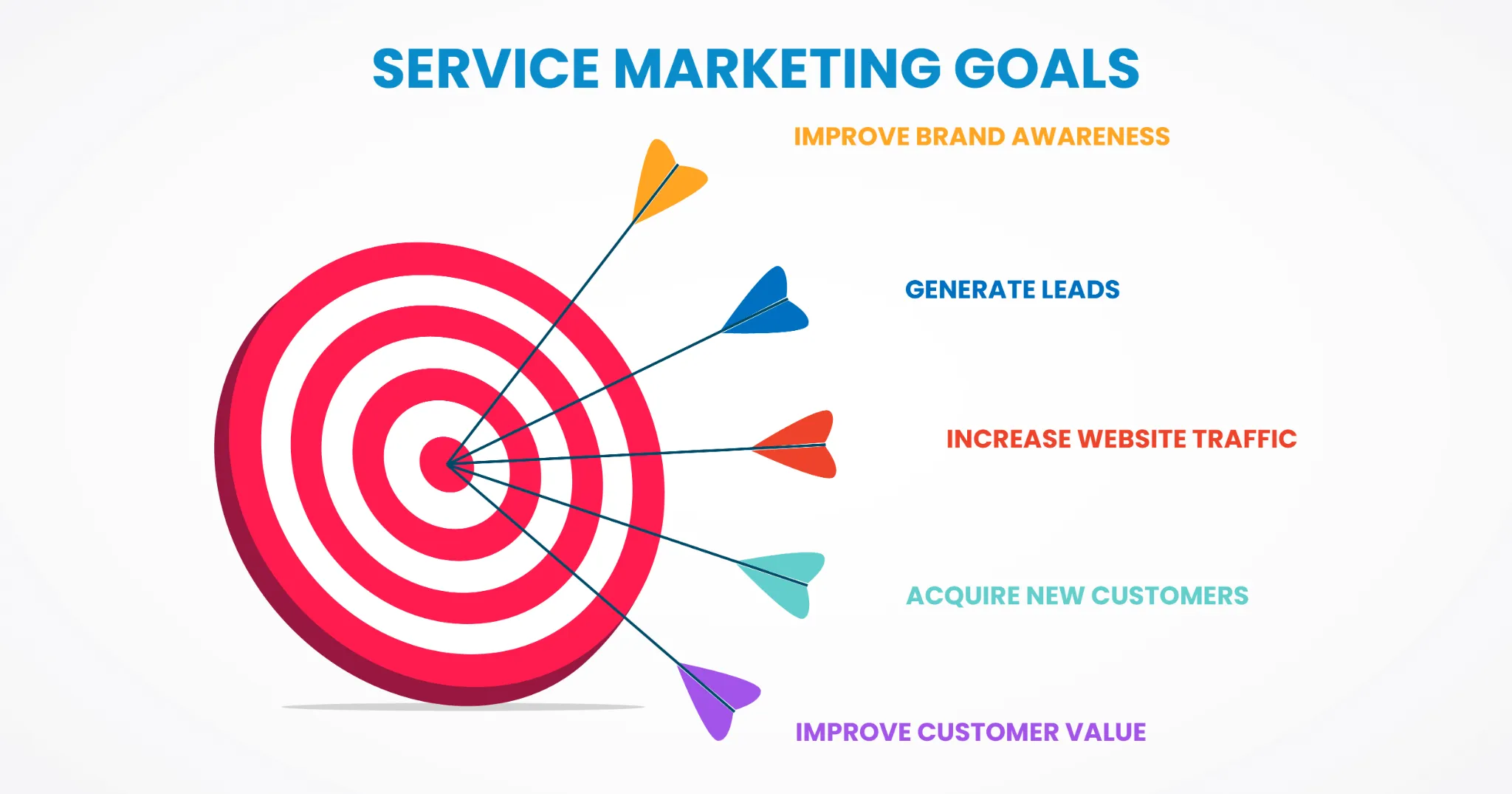
Service marketing aims to create customer satisfaction, trust, and loyalty by ensuring consistent and quality experiences.
---
2️⃣ Characteristics of Services (IHIP Model)
Services differ from goods in four major ways:
1. Intangibility
Services cannot be seen, touched, or stored. Customers base their decision on reputation, reviews, and physical evidence.
Example:
A doctor’s treatment cannot be tested before receiving it.
---
2. Heterogeneity (Variability)
Service quality changes depending on the provider, time, location, and situation.
Example:
One Uber driver may be excellent; another may be rude.
---
3. Inseparability
Production and consumption happen at the same time.
Example:
A haircut or a classroom lecture is performed and consumed simultaneously.
---
4. Perishability
Services cannot be stored for future use.
Example:
A hotel room that remains empty today cannot be sold tomorrow.
---
3️⃣ The Seven Ps (7Ps) of Service Marketing
The 7Ps are the core framework to create, deliver, and manage quality service experiences.
---
P1: Product (Service Offering)
In service marketing, the “product” includes:
Core service (main benefit)
Supplementary services (add-ons)
Service quality
Service design
Example:
In a hotel, the core product is accommodation, while supplementary services include Wi-Fi, room service, buffet breakfast, and spa.
Case Study: Taj Hotels
Taj differentiates itself through premium experiences, heritage ambiance, and personalized hospitality.
Its “product” is not just a room but luxury service experience.
---
P2: Price
Pricing strategies must reflect:
Quality
Competition
Seasonality
Customer type
Demand forecasting
Common pricing methods:
Dynamic pricing (airlines, hotels)
Bundling
Penetration pricing
Premium pricing
Example:
Airlines raise ticket prices during festival seasons.
Case Study: Uber Surge Pricing
Uber uses AI to increase fares during high-demand periods.
This ensures availability of drivers and maximizes revenue.
---
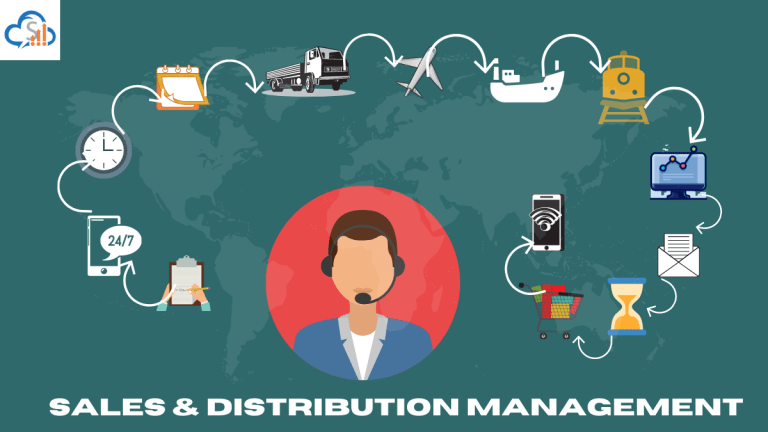
P3: Place (Distribution)
Refers to where and how the service is delivered.
Includes:
Online platforms
Branch networks
Franchises
Self-service kiosks
Mobile delivery
Example:
Banks offer services through branches, ATMs, mobile apps, online banking, and customer care.
Case Study: McDonald's Distribution Strategy
McDonald's uses dine-in, online ordering, drive-thru, and food-delivery apps for fast service distribution.
---
P4: Promotion
Services need heavy promotion to build trust and visibility because customers cannot see or test them.
Promotional tools:
Social media
Digital ads
Customer testimonials
Influencer partnerships
Brand ambassadors
Loyalty programs
Example:
Insurance companies promote security and future protection through emotional advertising.
Case Study: Byju’s Marketing Strategy
Byju’s uses celebrity endorsements, YouTube ads, storytelling campaigns, and school-level promotions to build trust.
---
P5: People
Human involvement is essential in service delivery.
It includes:
Employees
Customer service staff
Sales representatives
Management
Even customers themselves
Example:
A rude hotel receptionist can ruin the entire experience.
Case Study: Starbucks People Strategy
Starbucks trains its baristas in customer service, beverage consistency, and personal interaction.
This creates emotional connection and brand loyalty.
---
P6: Process
Process refers to how the service is delivered, including:
Standard operating procedures
Waiting time management
Complaint handling
Automation
Example:
Domino’s has a structured process for pizza delivery with a 30-minute guarantee.
Case Study: Amazon’s Smooth Delivery Process
Amazon uses AI, automated warehouses, and efficient logistics to create fast and error-free delivery.
---
P7: Physical Evidence
Because services are intangible, customers judge based on physical cues:
Ambience
Cleanliness
Staff uniforms
Interior design
Packaging
Branding
Website UI
Example:
Clean hospitals with modern equipment build confidence in patients.
Case Study: Apple Store Experience
Apple stores use glass architecture, clean spaces, and interactive product displays to create premium service impression.
---
4️⃣ Importance of Service Marketing
Service marketing is essential because:
1. India Is a Service-Based Economy
Banks, telecom, IT, education, healthcare, and tourism drive 55%+ of India’s GDP.
---
2. High Competition Requires Differentiation
Since customers cannot “see” the service, marketing builds trust and reduces risk.
---
3. Helps Manage Customer Expectations
Clear marketing communication avoids misunderstandings.
---
4. Enhances Customer Loyalty
Service quality → Satisfaction → Loyalty → Repeat business.
---
5. Supports Digital Services Growth
UPI, OTT, cloud services, e-learning, and beauty services need strong service marketing.
---
6. Helps Improve Brand Image
Service experiences determine reputation, especially for hospitals, airlines, and hotels.
---
5️⃣ Full Case Study (Detailed)
---
Case Study 1: OYO Rooms — Service Marketing Using Technology
Product:
Affordable hotel rooms with standardized features.
Price:
Budget-friendly pricing with discounts.
Place:
Mobile app, website, travel partners.
Promotion:
Digital ads, referral programs, influencer collaborations.
People:
Trained property managers.
Process:
Easy booking, automated check-in, digital payment.
Physical Evidence:
Clean rooms, OYO branding, consistent room layout.
Result:
OYO became one of the largest budget hotel chains.
---
Case Study 2: Swiggy — Service Marketing Excellence in Food Delivery
Product:
Food delivery, groceries, instant delivery (Instamart).
Price:
Dynamic pricing + delivery fees.
Place:
Mobile app with wide service network.
Promotion:
Offers, coupons, ads with celebrities.
People:
Riders + restaurant partners.
Process:
Live tracking, fast delivery.
Physical Evidence:
Rider uniforms, branded delivery boxes, clean interface.
Result:
Swiggy created a superior customer experience leading to rapid growth.
---
6️⃣ Conclusion
Service marketing is a powerful strategy to design, promote, deliver, and enhance service experiences.
Because services are intangible, inseparable, variable, and perishable, companies must focus on the 7Ps to ensure customer satisfaction.
Proper service marketing helps a business:
✔ Build trust
✔ Maintain consistent quality
✔ Create positive customer experiences
✔ Gain competitive advantage
✔ Encourage loyalty and long-term relationships
In today’s digital era, service marketing plays a central role in banking, telecom, e-commerce, healthcare, hotels, education, aviation, and almost every modern service industry.