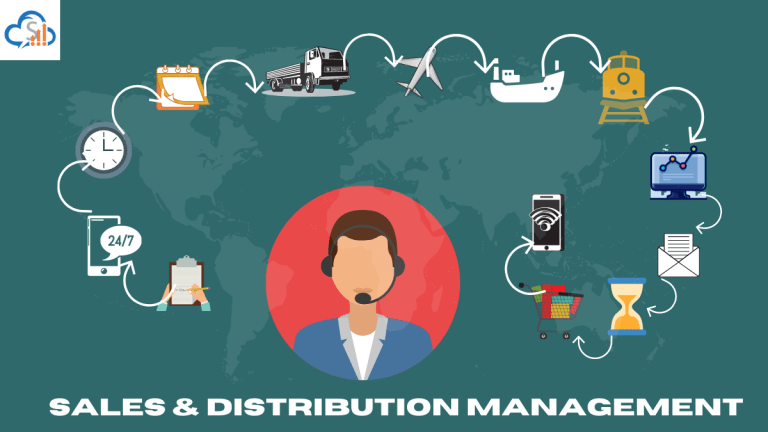
In services marketing, Place refers to the channels, locations, methods, and systems through which a service is delivered to customers.
Unlike physical products, services cannot be stored or transported, because they are intangible, inseparable, perishable, and produced-consumed simultaneously.
Therefore, “Place” in services focuses on how the customer accesses the service rather than where the product is delivered.
Place becomes a critical element of the service marketing mix because service delivery system, convenience, accessibility, and speed directly influence customer satisfaction and loyalty.
---
? Why Place is Important in Service Marketing?
Services require customer presence or service provider presence.
Customer convenience improves service experience.
Fast, easy-to-reach service points increase customer satisfaction.
Efficient distribution channels reduce service costs.
Digital delivery has expanded reach and reduced dependency on physical locations.
---
? DIAGRAM: Place in Services (Text Format)
Service Production → Service Delivery Channel → Customer Experience
OR
Physical Locations + People + Processes + Technology = Service Place Strategy
---
? KEY ELEMENTS OF PLACE IN SERVICE MARKETING
---
1️⃣ Physical Location of Service Delivery
Services often require customers to visit the provider’s location.
The location must be convenient, accessible, and comfortable.
Examples:
Hospitals in central city locations
Banks situated near markets or residential areas
Restaurants positioned in high-footfall areas
Coaching institutes near schools/universities
Case Example:
Apollo Hospitals selects locations in major metro cities, near transport hubs, ensuring quick accessibility during emergencies.
---
2️⃣ Customer’s Location (Service Provider Comes to Customer)
In many services, the provider delivers service at the customer's location.
Examples:
Home delivery (Domino's, Zomato)
Home cleaning services (Urban Company)
Courier & logistics (Blue Dart, DTDC)
Home-based tutoring or beauty services
Importance:
Customer convenience becomes a strong differentiator.
---
3️⃣ Electronic and Digital Delivery Channels (E-Place)
Digitalization has transformed service distribution by eliminating the need for physical presence.
Examples:
Online banking (SBI, HDFC apps)
OTT services (Netflix, Hotstar)
Online education (BYJU’S, Unacademy)
Telemedicine (Practo, Tata Health)
Benefits:
24×7 access
Low cost
Unlimited geographical reach
---
4️⃣ Service Outlets and Service Networks
Organizations expand through multiple service points to reach more customers.
Examples:
Domino's 30-minute model using many small outlets
ATM networks of ICICI Bank
MakeMyTrip kiosks at airports
Case Study:
McDonald’s uses a hub-and-spoke model.
Small delivery-focused outlets (spokes) receive supplies from a central kitchen (hub), ensuring speed and quality.
---
5️⃣ Franchise System
Franchising is a highly effective place strategy for service expansion.
It ensures standardization, quality, and fast reach.
Examples:
McDonald's
KFC
Apollo Clinics
FirstCry stores
Importance:
Quick expansion without heavy investment
Franchisees bring local market expertise
---
6️⃣ Intermediaries in Service Delivery
Sometimes services are delivered through agents or third-party partners.
Examples:
Travel agents selling flight tickets
Insurance agents selling policies
Tour operators
Retail partners selling telecom SIM cards
Benefits:
Wider reach
Lower operating cost
---
7️⃣ Scheduling, Timing, and Availability
Place also involves when the service is available.
Services are time-dependent; improper scheduling leads to dissatisfaction.
Examples:
Banks offering extended working hours
Hospitals providing 24×7 emergency care
Zomato instant delivery zones
Movie theatres offering multiple show timings
---
8️⃣ Capacity and Queue Management (Critical for High-contact Services)
Place strategy also includes how customers are handled when demand exceeds capacity.
Examples:
Token system in banks
Appointment system in hospitals
Waiting lounges at airports
Fast-track queues at amusement parks (Express Pass)
---
? DIFFERENCE BETWEEN PLACE IN GOODS & SERVICES
Aspect Goods Services
Physical movement Required Not required
Storage Possible Not possible
Customer involvement Low High
Delivery channel Retailers/distributors Service provider or digital
Importance of location Medium Very high
---
? CASE STUDIES ON SERVICE PLACE STRATEGY
---
Case Study 1: Ola & Uber – On-demand Service Delivery
Customer doesn’t go to the provider.
The service provider comes to the customer through technology.
GPS, app navigation, and dynamic pricing act as distribution tools.
Outcome:
Convenience transformed the taxi industry.
---
Case Study 2: Amazon Prime & Flipkart – Hybrid Place System
Product delivery + digital service (Prime Video, Music)
Distribution centers strategically placed across cities for 1-day delivery.
Result:
Improved last-mile connectivity leads to higher customer loyalty.
---
Case Study 3: IRCTC & Railway Ticket Booking System