Financial services highlights
07/December/2025 21:54
Share:
Below is a complete, detailed, exam-oriented, and well-structured write-up on Management of Financial Services, covering all the topics you mentioned: financial system, financial markets, financial management, risks, stock market, merchant banking, management of issue of shares and bonds, leasing, hire purchase, credit rating, banking, insurance, venture capital, and other financial services.
You can directly use this for assignments, projects, exams, or notes.
---
⭐ MANAGEMENT OF FINANCIAL SERVICES – DETAILED TOPIC HIGHLIGHTS
---
? INTRODUCTION TO MANAGEMENT OF FINANCIAL SERVICES
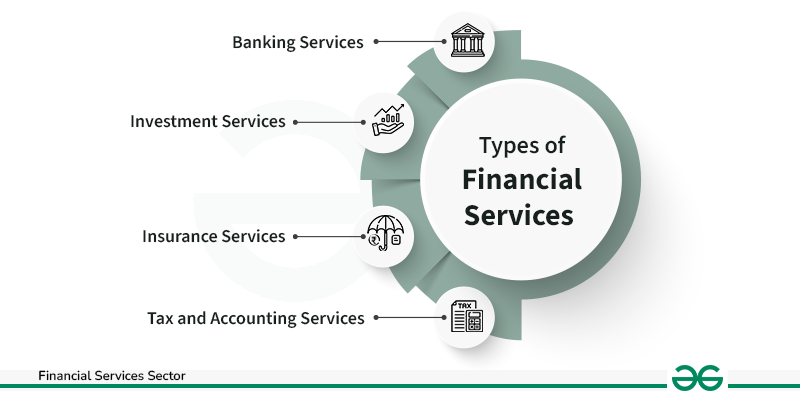
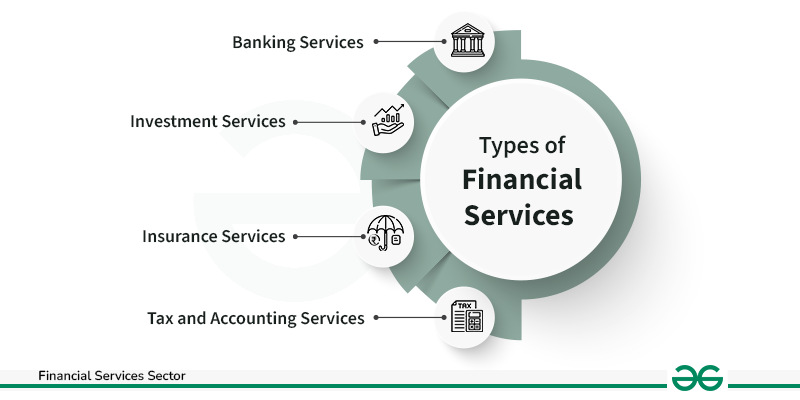
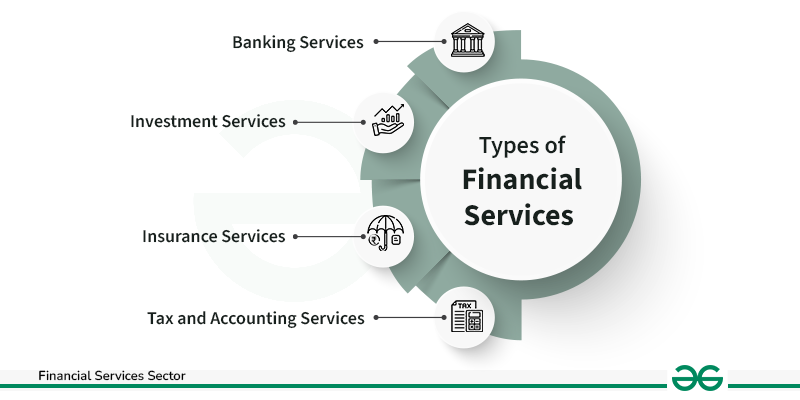
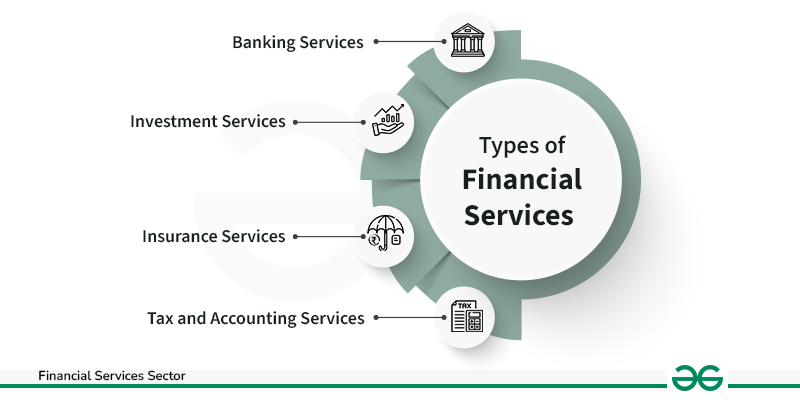
Financial services refer to all economic activities that facilitate the creation, management, and exchange of financial assets.
They include banking, insurance, investment services, mutual funds, credit rating, venture capital, leasing, hire purchase, and many more.
Management of Financial Services deals with planning, organizing, directing, and controlling these services to ensure smooth functioning of the financial system and financial markets.
It helps in:
✔ efficient mobilization of funds
✔ investment decisions
✔ risk reduction
✔ economic growth and development
---
⭐ 1. FINANCIAL SYSTEM
A financial system is a network of institutions, markets, instruments, and services that enable the flow of funds.
Components:
1. Financial Institutions – Banks, NBFCs, insurance companies, mutual funds.
2. Financial Markets – Capital market, money market, forex market.
3. Financial Instruments – Shares, bonds, debentures, derivatives.
4. Financial Services – Leasing, hire purchase, venture capital, credit rating.
Functions:
Mobilizing savings
Allocating resources
Facilitating payments
Managing risks
Governing financial transactions
---
⭐ 2. FINANCIAL MARKETS
Financial markets enable the purchase and sale of financial instruments.
Types:
A. Capital Market
Long-term funds (shares, debentures).
Includes Primary Market and Secondary Market.
B. Money Market
Short-term funds (treasury bills, commercial papers).
C. Forex Market
Deals in foreign currency and exchange rates.
D. Derivatives Market
Options, futures, swaps.
---
⭐ 3. FINANCIAL MANAGEMENT IN SERVICES
Financial management in service organizations focuses on:
Fund planning and allocation
Capital structure management
Costing of financial products
Managing receivables and liabilities
Ensuring liquidity and solvency
Profitability management
Examples:
Banks handle loan portfolio management; insurance companies manage premium investment; mutual funds manage investor wealth.
---
⭐ 4. RISK IN FINANCIAL SERVICES
Risk management is essential because financial services involve uncertainty.
Types of Risks:
1. Credit Risk – Borrower may default.
2. Market Risk – Stock prices or interest rates may fluctuate.
3. Operational Risk – Failures in systems or processes.
4. Liquidity Risk – Inability to convert assets into cash.
5. Legal and Compliance Risk – Regulatory violations.
6. Interest Rate Risk – Rise or fall in interest rates affects returns.
Financial institutions use:
✔ hedging
✔ diversification
✔ insurance
✔ risk rating
✔ internal control systems
---
⭐ 5. STOCK MARKET
The stock market is where shares and securities are bought and sold.
Functions:
Helps companies raise capital
Provides liquidity to investors
Price discovery
Encourages savings and investment
Facilitates economic development
Key Participants:
Investors, brokers, stock exchanges (NSE, BSE), SEBI regulators, listed companies.
---
⭐ 6. MERCHANT BANKING SERVICES
Merchant banks provide specialized financial services, especially for corporate clients.
Services Provided:
Management of public issues
Corporate restructuring
Project counseling
Portfolio management
Loan syndication
Mergers and acquisitions advisory
Merchant bankers play a crucial role in IPOs, FPOs, rights issues, and debenture issue management.
---
⭐ 7. MANAGEMENT OF ISSUE OF SHARES AND BONDS
This is a key financial service where merchant bankers manage the entire process of raising capital.
Stages:
1. Preparation of Prospectus
2. Obtaining SEBI approval
3. Appointment of underwriters
4. Marketing of the issue
5. Receiving applications
6. Allotment of shares/bonds
7. Listing on stock exchanges
This ensures transparency, investor protection, and successful capital mobilization.
---
⭐ 8. LEASING
A lease is a contract where the owner of an asset (lessor) gives the right to use it to the user (lessee) for a fixed period in exchange for payments.
Types of Leasing:
Operating Lease
Financial Lease
Sale and Leaseback
Leveraged Lease
Advantages:
No need for heavy upfront investment
Tax benefits
Flexible financing method
---
⭐ 9. HIRE PURCHASE
A hire purchase agreement allows the user to hire an asset by paying installments and owning it after the final payment.
Features:
Ownership transfers after final payment
Useful for vehicles, machinery
Higher cost due to interest
Participants:
Hirer
Owner (finance company)
---
⭐ 10. CREDIT RATING
Credit rating agencies assess the creditworthiness of companies and government bodies.
Functions:
Evaluate default risk
Provide ratings like AAA, AA, BBB
Help investors make informed decisions
Rating Agencies in India:
CRISIL
ICRA
CARE
India Ratings
---
⭐ 11. BANKING SERVICES
Banks play a central role in the financial system.
Key Banking Services:
Accepting deposits
Providing loans and advances
Payment and settlement services
Digital banking (UPI, Internet banking)
Forex services
Investment advisory
---
⭐ 12. INSURANCE SERVICES
Insurance companies provide risk coverage by collecting premiums.
Types:
Life Insurance – LIC, HDFC Life
General Insurance – Motor, health, property
Reinsurance – Risk sharing among insurers
Functions:
Risk transfer
Financial stability
Investment of funds
Support to economic growth
---
⭐ 13. VENTURE CAPITAL
Venture capitalists invest in high-risk, high-growth startups.
Stages of Venture Capital:
1. Seed capital
2. Early stage financing
3. Expansion financing
Characteristics:
High risk
High return potential
Active involvement in management
Venture capital is crucial for innovation, entrepreneurship, and technological growth.
---
⭐ 14. OTHER FINANCIAL SERVICES
A. Factoring
Sale of receivables to financial institutions for quick cash.
B. Forfaiting
Purchase of international trade receivables.
C. Mutual Funds
Pooling of investor funds and investing in diversified securities.
D. Derivative Services
Options, futures trading.
E. Housing Finance
Loans for homes by HDFC, LIC Housing Finance.
F. Microfinance
Small loans to rural and low-income customers.
---
⭐ CONCLUSION
The management of financial services plays a vital role in the functioning of the economy.
It ensures the efficient flow of funds, reduces financial risks, supports business expansion, and strengthens the financial system.
With the growth of technology, digital payments, fintech, and globalization, financial services have become more dynamic, competitive, and essential.