Below is a complete, detailed, exam-ready, long-format answer covering ALL the topics you asked for:
✔ What is service
✔ Characteristics of services (intangible, perishable, inseparable, heterogeneous, etc.)
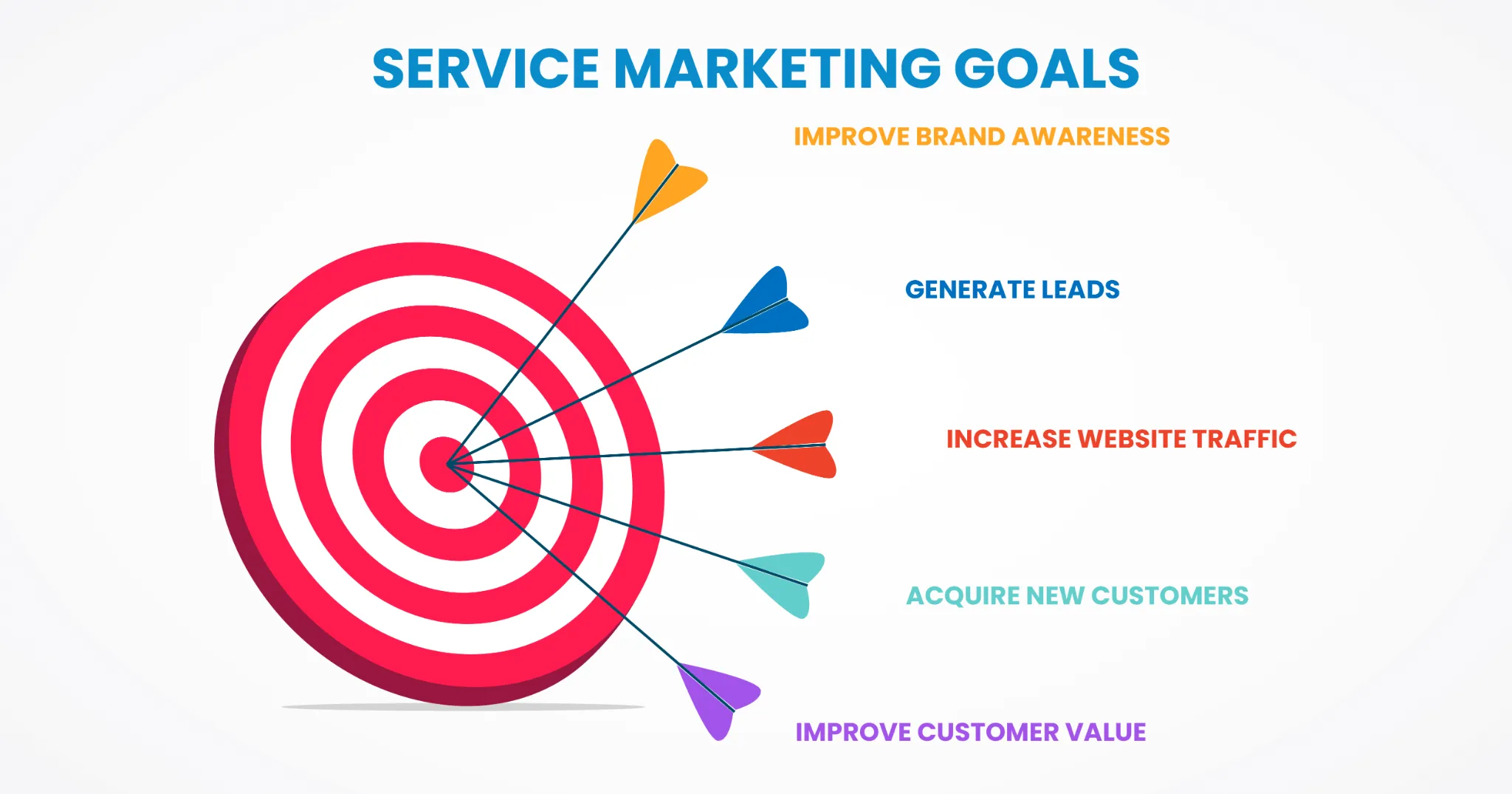
✔ Meaning of service marketing
✔ Importance of service marketing
✔ Stages of evaluation in service marketing
✔ Growth of service economy
✔ Service economy in the Indian scenario
✔ Nature of services
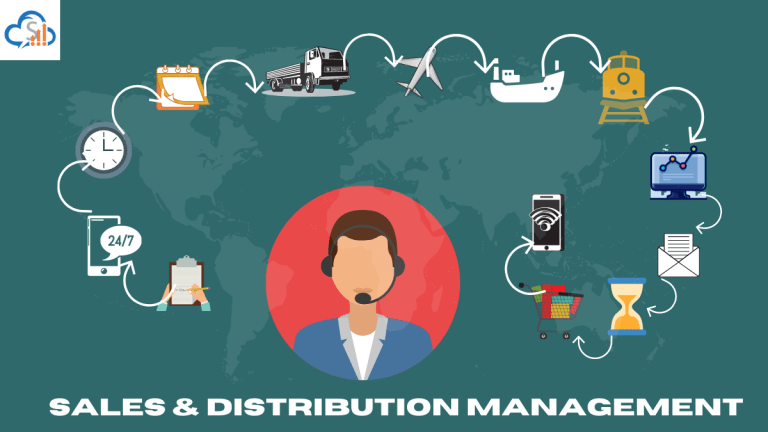
✔ Service process and service system
Everything is given in clear, long, detailed paragraphs with proper academic formatting.
---
? 1. Meaning of Service
A service is an activity, performance, or process that one party offers to another, which is essentially intangible and does not result in the ownership of anything. Services are experiences or solutions created for customers to satisfy needs such as transportation, education, healthcare, repairs, banking, consultancy, hospitality, entertainment and more. Unlike physical goods, a service cannot be stored, touched, or transported; it is delivered at the time of consumption and requires a high level of human interaction, expertise, and involvement.
Example:
When a doctor checks a patient, when a bank processes a loan, when a teacher teaches a class, or when Zomato delivers food—all these are services. Customers receive value through experience, not through a physical product.
---
? 2. Characteristics of Services (Detailed)
Services have unique features that differentiate them from physical goods. These characteristics shape how services are designed, delivered, promoted, and evaluated.
---
(1) Intangibility
Services cannot be seen, touched, tasted, smelled, or stored before purchase. Customers can only experience the service after consuming it.
Example:
A patient cannot see the treatment result before meeting the doctor. Students cannot judge a coaching class until they attend the sessions.
Because services are intangible, customers depend on:
Brand image
Price
Word of mouth
Physical environment
Employee behavior
These cues help customers evaluate the quality before buying.
---
(2) Inseparability
Services are produced and consumed simultaneously. The service provider and the customer must often be present at the same time for the service to occur.
Example:
A salon cannot cut hair without the customer being present. A teacher cannot teach without students attending. A restaurant must serve food to the customer on the spot.
Thus, service delivery and consumption are inseparable, and customer participation affects quality.
---
(3) Perishability
Services cannot be stored or saved for later use. Once the time passes, the service capacity is lost.
Example:
An empty seat in an airplane or movie theatre cannot be sold later. An unbooked hotel room for a night is a permanent loss.
Service providers manage perishability by:
Dynamic pricing
Reservations
Discounts during low demand
Flexible staffing
Online booking systems
---
(4) Heterogeneity (Variability)
Service quality varies from person to person, time to time, and situation to situation.
Example:
Hotel service depends on staff mood, customer behavior, rush hours, and environment. One Uber driver may be excellent; another may be average.
Because services rely heavily on humans, they can never be 100% uniform. Training, standard operating procedures (SOPs), and quality control help reduce variability.
---
(5) Lack of Ownership
When purchasing a service, customers only get access or experience, not ownership.
Example:
Buying a Netflix subscription gives access, not ownership of movies. Using Ola gives temporary transportation, not a vehicle.
---
(6) Involvement of Customer in Production
Customers play an active role in service creation.
Example:
In a gym, the trainer gives instructions, but the actual workout is done by the customer. In banking, the customer provides documents for loan processing.
---
? 3. Meaning of Service Marketing
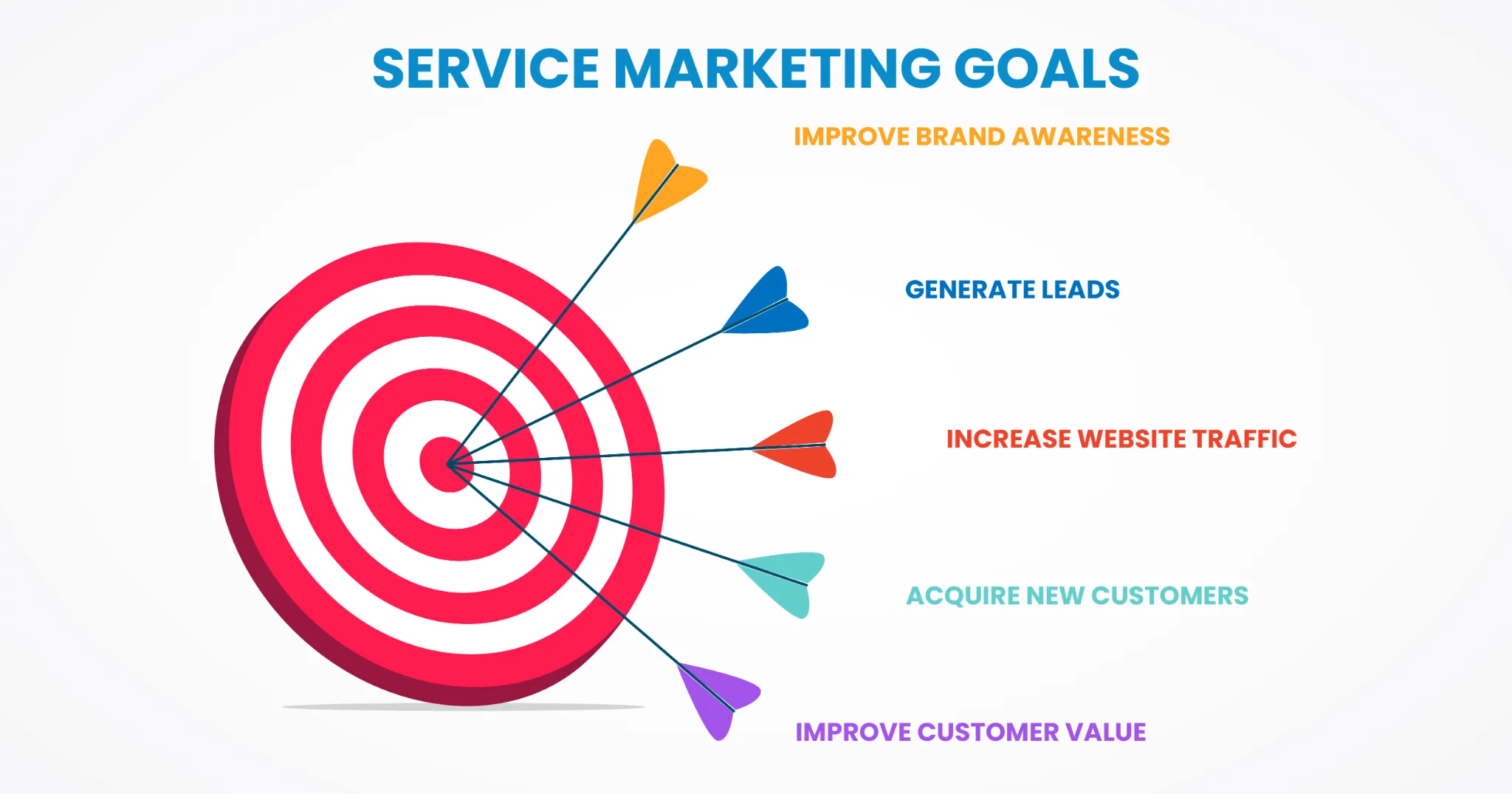
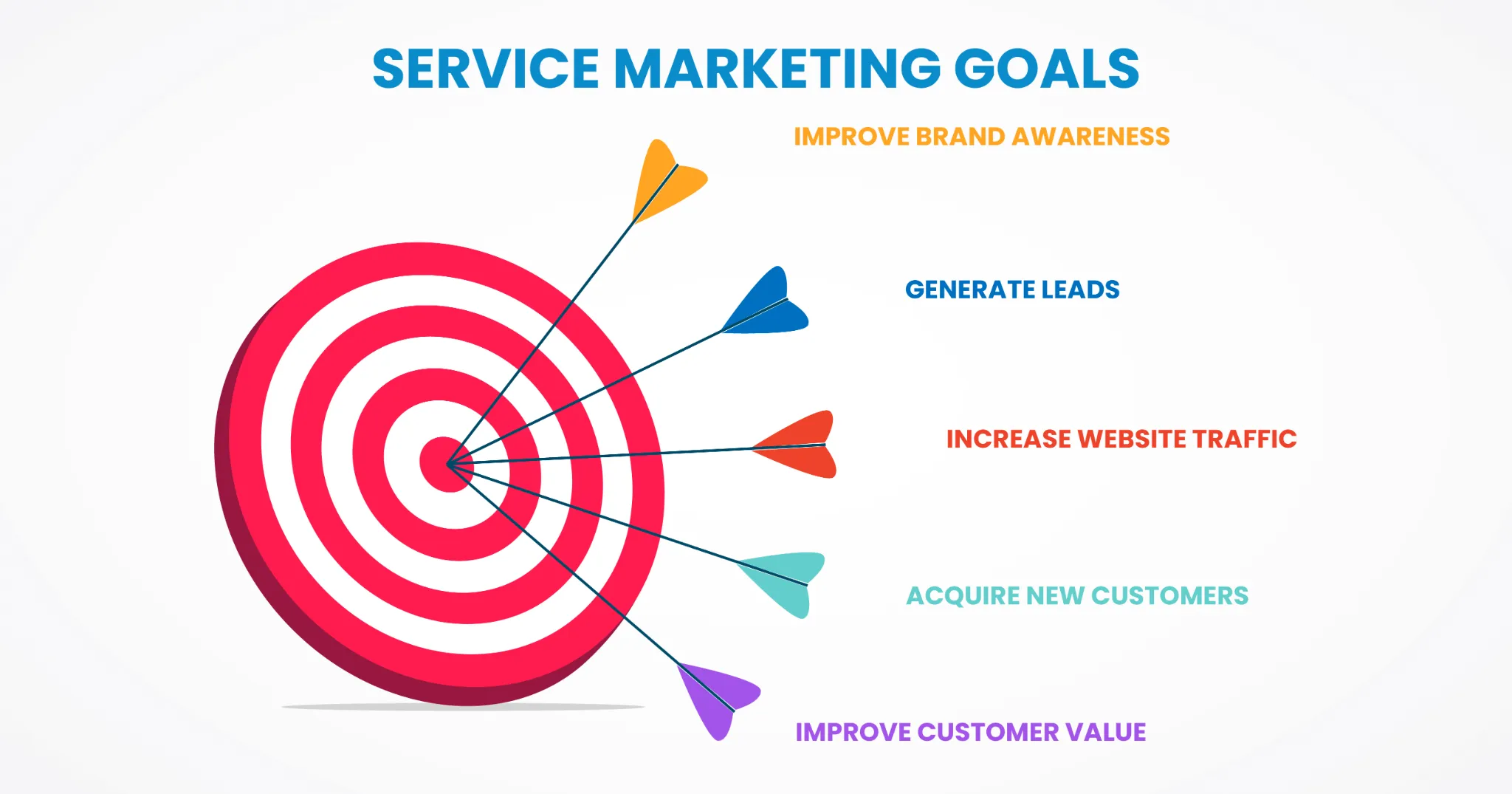
Service marketing refers to the process of creating, promoting, delivering, and managing services to satisfy customer needs and build long-term relationships. It involves both traditional marketing (4Ps) and additional service-specific elements (People, Process, Physical Evidence) known as the 7Ps of Service Marketing.
Service marketing focuses on:
Managing customer expectations
Building trust
Training employees
Ensuring service quality
Designing strong service experiences
Managing customer relationships
Because services are intangible and variable, marketing strategies must be more customer-centric and experience-focused.
---
? 4. Importance of Service Marketing (Detailed)
Service marketing is important because:
1. Services dominate global economies
Most countries—like the USA, India, UK—depend largely on services for GDP growth.
2. Creates massive employment
Hospitals, banks, hotels, IT firms, and retail stores employ millions.
3. Builds customer loyalty
Good service experiences (delivery, support, hospitality) create long-term customers.
4. Differentiation in competitive markets
Every product becomes similar, so businesses win through services—like Amazon’s fast delivery or Zomato’s customer support.
5. Growth of digital and online services
E-commerce, online learning, OTT platforms, cloud computing, digital banking—all require strong service marketing.
6. Helps manage inseparability & variability
Marketing ensures consistent delivery by training employees and designing proper processes.
7. Enhances brand reputation
Better service = better brand image.
---
? 5. Stages of Evaluation of Services (Customer Evaluation Process)
Customers evaluate services in three major stages:
---
(1) Pre-Purchase Evaluation
Before buying a service, customers collect information and evaluate options based on:
Brand reputation
Word of mouth
Reviews
Pricing
Service promises
Facilities and environment
Example:
Before joining a gym, customers check Google reviews, trainer experience, price, cleanliness, etc.
---
(2) Service Encounter (During Service)
This is the actual moment of experience when the service is being delivered. Customers evaluate:
Employee behavior
Speed of service
Professionalism
Accuracy
Comfort and convenience
Example:
In a restaurant, people judge service based on staff behavior, waiting time, taste, cleanliness, and seating.
---
(3) Post-Purchase Evaluation
After consuming the service, customers evaluate:
Satisfaction level
Whether expectations were met
Value for money
Reliability
Emotional experience
Likely to recommend or complain
Example:
After a hotel stay, customers may write reviews or decide whether to return.
---
? 6. Growth of Service Economy (Global Perspective)
The world has shifted from agriculture → manufacturing → service dominance.
Reasons for this rapid growth include:
Rising incomes
Urbanization
Technology & internet
Change in lifestyle
Outsourcing
Demand for convenience
Globalization of service trade
Today, services contribute over 70% of global GDP and create the highest number of jobs.
Examples of rapid service growth:
Cloud computing (AWS, Azure)
OTT platforms (Netflix)
Digital payments (UPI)
Food delivery (Zomato, Swiggy)
Travel & tourism
IT & BPO services
---
? 7. Service Economy in the Indian Scenario (Detailed)
India has become one of the fastest-growing service economies in the world.
Contribution to GDP: More than 57%
Employment: Over 40% of workforce
Leading industries:
IT & Software
Banking & Finance
Telecom
Healthcare
Education
Hotel & Tourism
E-commerce
Logistics
Film & Media
India is a global leader in:
IT outsourcing
Customer support
Knowledge process outsourcing
Financial back-end operations
Cities like Bengaluru, Hyderabad, Pune, and Gurugram are global service hubs.
---
? 8. Nature of Services
The nature of services can be described through several dimensions:
1. Economic Activity
Services are key economic contributors, not physical goods.
2. Experience-based
Services are performances—like teaching, treatment, or consultation.
3. Time-bound
Services exist at the moment of delivery; they cannot be stored.
4. Customer-centric
The customer participates in creation, which affects quality.
5. Relationship-driven
Service providers must build trust and long-term loyalty.
---
? 9. Service Process
A service process refers to the sequence of activities that deliver the service experience. It includes: