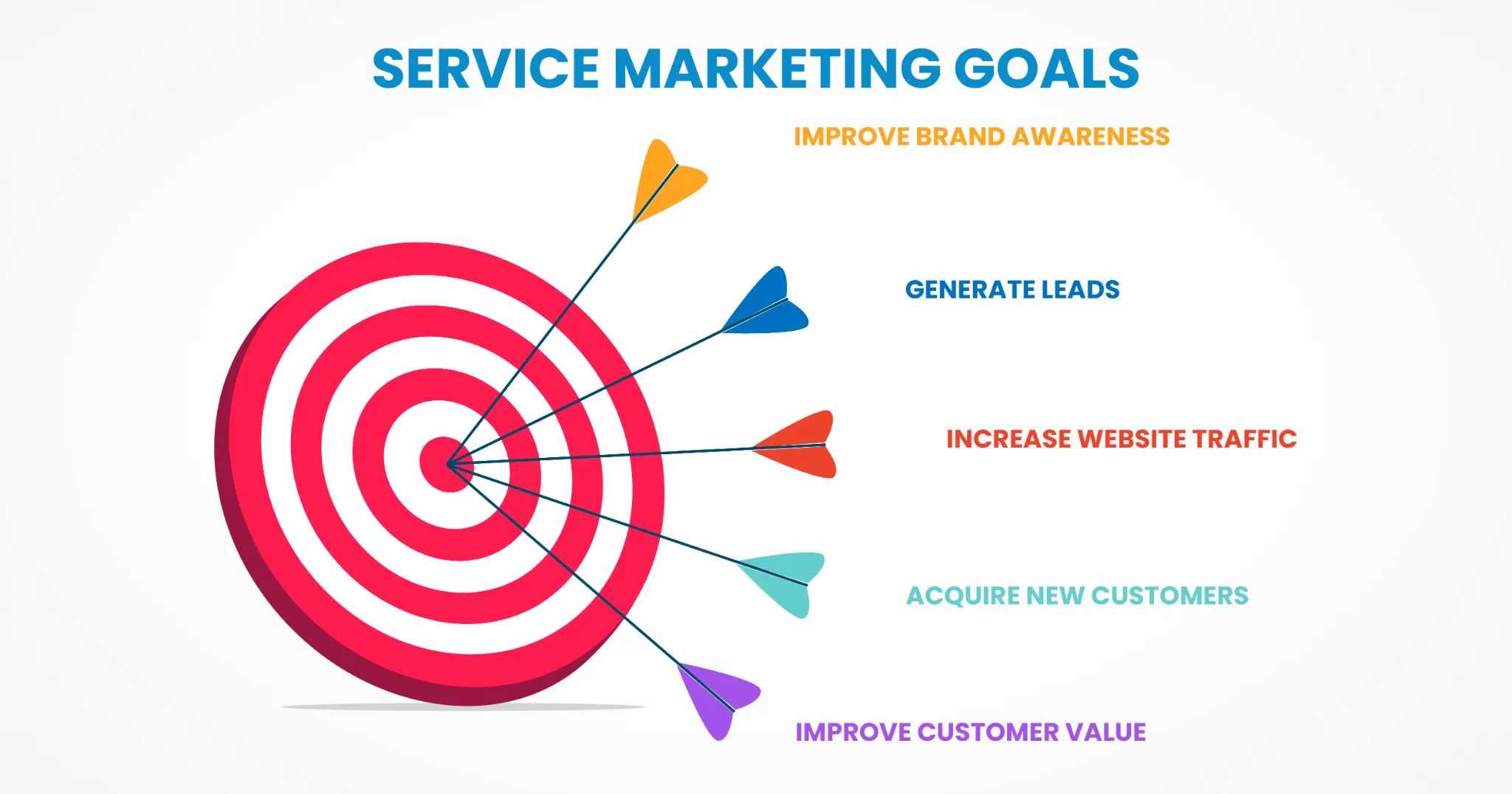
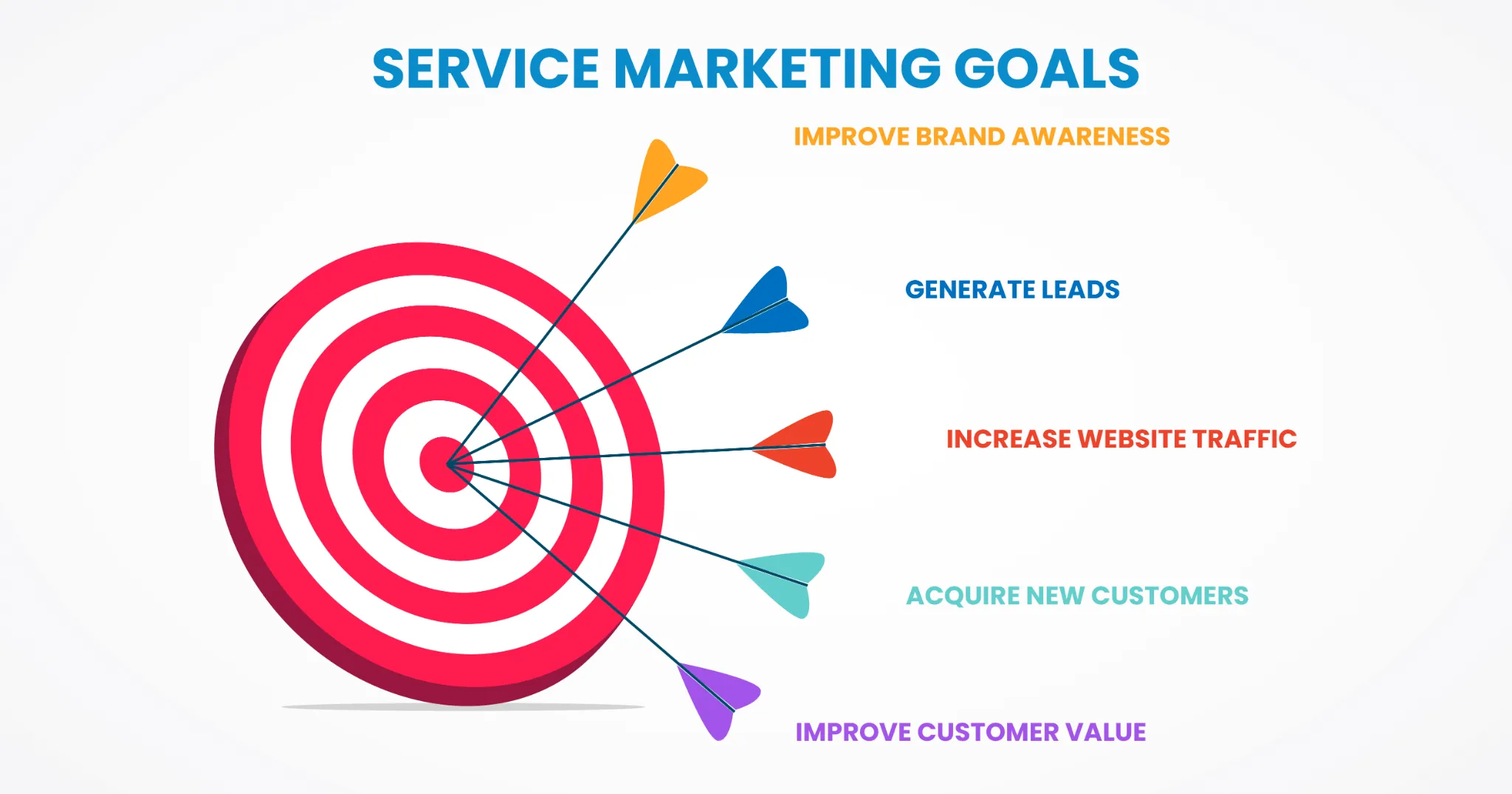
Below is a complete, detailed, exam-ready and industry-ready explanation of the Service Marketing Mix (7Ps) with examples and case studies.
SERVICE MARKETING MIX (7Ps) – FULL DETAILED NOTES
The Service Marketing Mix refers to the extended marketing mix used for marketing intangible services. While the traditional marketing mix includes 4Ps (Product, Price, Place, Promotion), service marketing includes 3 additional Ps—People, Process, Physical Evidence—because of the unique nature of services (intangibility, inseparability, perishability, heterogeneity).
The 7Ps framework helps organizations design, deliver, and manage services effectively, ensuring customer satisfaction and competitive advantage.
---
1. PRODUCT (SERVICE PRODUCT)
In services, the “product” is an experience, performance, or solution, not a physical item.
Key Features
Services are intangible (e.g., education, insurance).
Service product is a package of core service + supplementary services.
Branding, service quality, features, and customer experience matter heavily.
Examples
Banking → Core: money deposit/withdrawal; Supplementary: ATM, mobile banking.
Zomato → Core: food delivery; Supplementary: live order tracking, reviews.
Case Study – Ola Cabs
Ola redesigned its "product" by introducing:
Ola Mini, Prime, Bikes, Auto
Safety features (OTP, live tracking)
Driver ratings
These improvements enhanced trust, addressing the intangible nature of service.
---
2. PRICE
Price in services is complex because value depends on time, expertise, trust, convenience, and experience.
Pricing Strategies
Differential pricing (hotel rooms on weekends/season)
Penetration pricing (new gym membership offers)
Dynamic pricing (Uber/Ola surge pricing)
Bundled pricing (spa packages, OTT subscriptions)
Example
Airlines change ticket prices based on demand, time, and season.
Case Study – Netflix India Pricing
Netflix introduced:
Mobile-only plan (₹149)
Lower price tiers
This pricing strategy expanded Netflix penetration in Indian Tier 2–3 cities.
---
3. PLACE (DISTRIBUTION)
Place refers to how and where the service is delivered.
Channels
Physical service outlets (banks, hospitals)
Digital platforms (apps, websites)
Franchises (Domino’s, KFC)
Self-service kiosks
Examples
IRCTC uses online distribution for tickets.
Swiggy delivers services via mobile app only—no physical outlet.
Case Example
Airtel increased service accessibility by:
2,000+ retail stores
Airtel Thanks App
This hybrid model made services more accessible and increased customer retention.
---
4. PROMOTION
Promotion creates awareness and builds trust in intangible services.
This physical evidence reinforces brand trust and premium positioning.
---
IMPORTANCE OF THE 7Ps IN SERVICE MARKETING
Deals with intangibility by adding cues (physical evidence).
Reduces variability through trained people and standardized process.
Handles perishability by improving demand management (pricing strategies).
Builds strong customer relationships.
Enhances service quality and satisfaction.
Gives businesses competitive advantage in rapidly growing service sectors.
---
REAL INDUSTRY EXAMPLE – HOTEL INDUSTRY USING 7Ps
---
CONCLUSION
The Service Marketing Mix (7Ps) is a comprehensive framework that enables service companies to deliver high-quality, consistent, and customer-friendly experiences. By managing people, processes, and physical evidence along with the traditional 4Ps, businesses can reduce uncertainty, build trust, and differentiate themselves in a highly competitive service economy.