The IndiGo Flights Case: A Complete, Detailed Analysis
11/December/2025 01:04
Share:
The IndiGo Flights Case: A Complete, Detailed Analysis
Understanding the controversy, operational failures, regulatory challenges, and lessons for India’s aviation industry
India’s aviation ecosystem has been expanding rapidly, but with growth comes pressure. One of the most discussed aviation controversies in recent years is the IndiGo flights case, which sparked nationwide debate about airline service quality, crew behaviour, passenger rights, and operational discipline.
This blog breaks down the full case in detail—what happened, why it happened, what the DGCA said, public reactions, and how this affects the future of Indian aviation.
We also include your personal opinion as a concluding perspective.
---
⭐ What Exactly Is the IndiGo Flights Case?
The “IndiGo case” refers to a series of incidents involving passenger-airline conflicts, most notably:
1. Passenger–Crew Misconduct Incident (Viral Video Case)
A video went viral showing an IndiGo passenger being manhandled on the tarmac by ground staff.
It raised questions about:
Passenger safety
Over-aggressive staff
Airline customer treatment guidelines
Whether airlines were using excessive force in handling conflicts
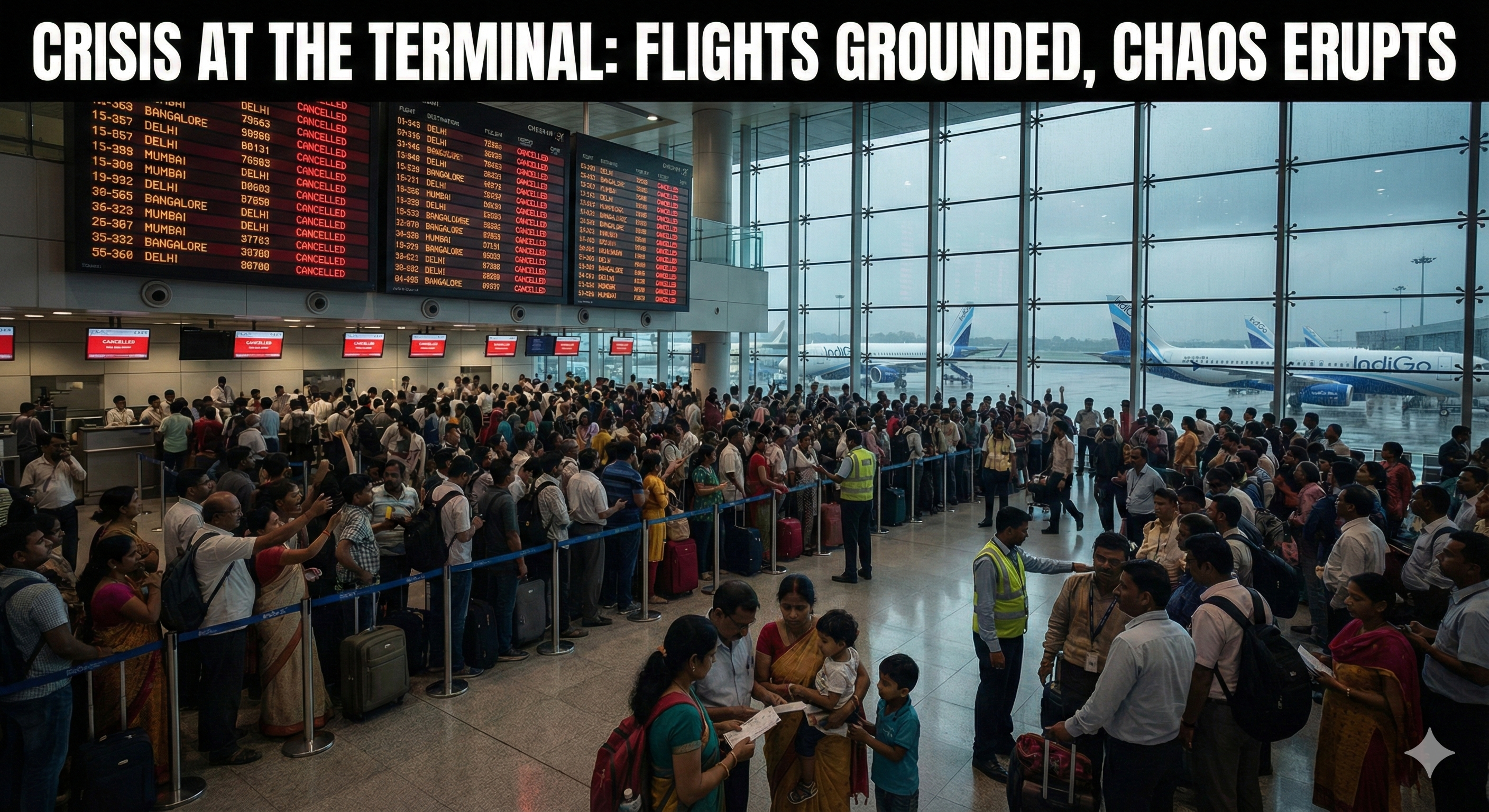
2. Frequent Flight Delays and Mismanagement
IndiGo also faced criticism for repeated:
Technical delays
Overbooking
Long waiting times
Poor communication at airports
Crew shortages
3. DGCA Penalties & Warnings
The aviation regulator DGCA (Directorate General of Civil Aviation) conducted inquiries and issued:
Show-cause notices
Fines for violations
Warning letters to improve training and safety practices
Together, these created what media called the IndiGo flights case, representing a cluster of service-quality failures rather than just one incident.
---
?️ Timeline of Events
? Step 1: The Incident
A disagreement between a passenger and ground staff escalated into a physical push-force situation on the tarmac. The video recorded by another staff member went viral on social media.
? Step 2: Public Outrage
Citizens demanded:
Better crew behaviour
Accountability for airlines
Protection for passengers
IndiGo initially defended the staff, stating the passenger violated safety rules—but public criticism forced a revised response.
? Step 3: DGCA Steps In
The DGCA:
Condemned the mishandling
Issued notices
Fined the airline
Directed IndiGo to re-train staff
? Step 4: Wider Complaints Surface
Passengers began sharing:
Stories of rude behaviour
Mishandling of elderly flyers
Delays without explanation
Overbooking issues
This turned the case from an isolated incident into a national conversation.
---
? Key Issues in the IndiGo Flights Case
1. Passenger Rights vs Airline Safety Protocol
Passengers often don’t fully understand aviation safety regulations.
Airlines sometimes enforce rules too aggressively.
2. Lack of Sensitivity Training
Indian aviation is growing faster than its training systems.
Soft skills are as important as technical skills.
3. Overworked Crew
High flight frequency leads to:
Tired staff
Irritable behaviour
Mismanagement during peak hours
4. Communication Breakdown
Most conflicts arise from:
No clarity on delays
No announcements
Staff not explaining rules properly
5. Staff Behaviour & Company Policy
IndiGo has strict internal policies.
The problem: execution often lacks empathy.
---
⚖️ What the DGCA Said
The regulator made several important points:
✔ IndiGo staff showed poor judgment
✔ Physical handling of a passenger is unacceptable unless security is threatened
✔ Airlines must improve:
Training
Passenger communication
Conflict management
DGCA emphasized that customer handling is as important as technical safety.
---
? Impact on IndiGo and the Aviation Sector
1. Reputation Damage
IndiGo, known for punctuality, faced negative branding.
2. Rise in Passenger Vigilance
People started recording interactions with staff for proof.
3. Push for Regulatory Reforms
DGCA tightened rules on:
Passenger rights
Staff behaviour
Delay management
4. Industry-Wide Training Programs
Airlines began revising:
Crew communication modules
Crisis management training
Behaviour protocols
---
? Deep Analysis: Why These Incidents Occur
1. Fast Expansion > Training Quality
IndiGo has become India’s largest carrier.
Rapid growth created:
Operational pressure
Overworked staff
Incomplete training cycles
2. Indian Airports Are Under Stress
Passenger volume is rising.
Infrastructure is failing to keep up.
3. Emotional Reactions on Both Sides
Passengers get frustrated due to delays.
Crew gets impatient due to workloads.
4. Corporate Culture Prioritizing Protocols
Sometimes, following the rulebook becomes more important than understanding the human situation.
---
? Global Comparison
In countries like the US, UK, and UAE:
Airlines face large fines for misbehavior
Passenger rights are stronger
Staff get high-level conflict management training
India is still evolving in this area.
---
BUZZ Opinion
In my view, the IndiGo flights case is a wake-up call—not just for IndiGo but for the entire Indian aviation ecosystem.
IndiGo is a strong airline with a good operational record, but this case exposed a deeper problem:
✔ There is a gap between professionalism and human sensitivity.
Crew should enforce rules, but with calmness and empathy.
Passengers should follow safety guidelines, but must not be humiliated.
✔ Airlines need emotional intelligence training as much as technical training.
✔ India must upgrade its passenger rights charter.
✔ Most importantly, customer experience should never be ignored in the name of efficiency.
IndiGo will have to rebuild trust through:
Better training
Stronger communication
Transparent handling of complaints
This case should serve as a learning moment for India’s aviation industry, ensuring that growth must not come at the cost of humanity.
---
? Conclusion
The IndiGo flights case symbolizes the evolving challenges of modern aviation in India.
It highlights that while airlines may strive for operational excellence, passenger dignity and emotional handling must be prioritized equally.
With better regulations, training, and sensitivity, Indian air travel can become safer, smoother, and more respectful for both customers and staff